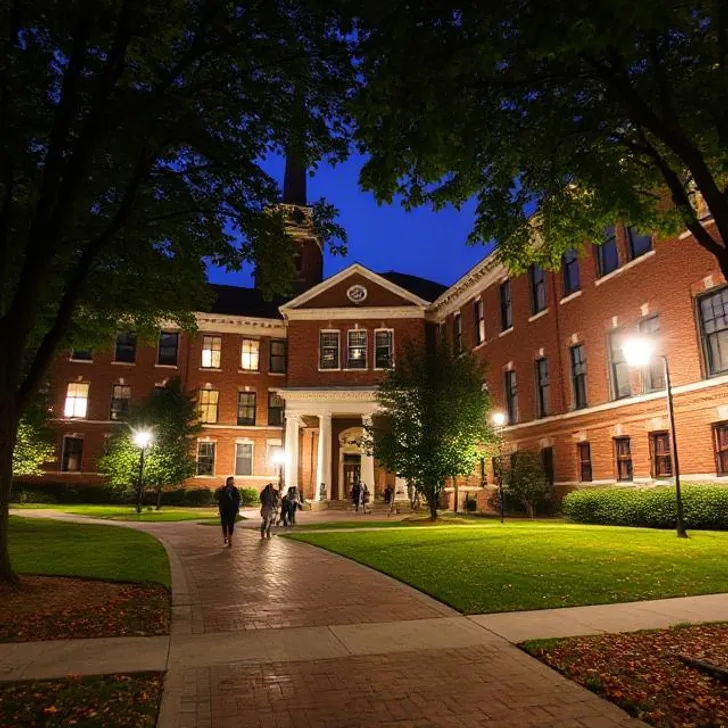
Columbia College Chicago
Hours:
Closed Now
Monday 8:00 AM - 5:00 PM
Tuesday 8:00 AM - 5:00 PM
Wednesday 8:00 AM - 5:00 PM
Thursday 8:00 AM - 5:00 PM
Friday 8:00 AM - 5:00 PM
Saturday Closed
Sunday Closed
Tuesday 8:00 AM - 5:00 PM
Wednesday 8:00 AM - 5:00 PM
Thursday 8:00 AM - 5:00 PM
Friday 8:00 AM - 5:00 PM
Saturday Closed
Sunday Closed
Address: 600 S Michigan Ave, Chicago, IL 60605, USA Get Directions
Services & pricing
Average price rangeWhat people love
From reviewsAbout this business
Mike Alexandroff was elected President in 1961 and founded a liberal arts college to promote a practical and critical social agenda. The college's progress was made possible by his efforts to design a college where Chicago professionals could teach courses, representing the city's best ideas and traditions in a progressive manner. Over the next 30 years, Columbia began to change and grow to fulfill its founding mission as an urban college. While the organization changed, its mission did not. The North Central Association of Colleges and Schools granted full accreditation to Columbia in 1974. It also acquired its first South Loop building that year (600 S. Michigan Ave.), allowing for programmatic growth. In 1984, Columbia was granted full North Central Association of Colleges and Schools accreditation for its graduate programs. Columbia College Chicago is a vibrant undergraduate and graduate college that provides a comprehensive educational experience in communication and the arts in a context of liberal education. Columbia's mission is to produce communicators and cultural leaders who can shape public perceptions and action on issues and events. The student body at Columbia reflects urban, educational, cultural, and racial diversity in the United States. Columbia provides education and inextricable links to an urban reality (Columbia College Chicago, 2017). The institution fulfills a civic function through its active role in the culture and life of the surrounding Chicago landscape.
References
Columbia College Chicago. (2017). Mission/Vision. Retrieved from
Reviews Summary
The college has numerous positive reviews scattered through the feedback. There's a consensus that students at the school are privy to an inclusive learning environment. A considerable portion of the feedback lauds the college's art department, stating that it is a very good one. At least one parent had a successful tour of the campus, with his/her daughter considering enrolling. Several people had nice things to say about the staff, some of whom they described as understanding and helpful. Additionally, a few of the explanations pointed to the campus's beauty and the fact that it was in an urban location. While many people expressed their excitement about attending the school, others drew attention to how helpful the counselors had been during their visits. Therefore, the college ranks highly overall and has a reputation for being supportive.
Frequently asked questions
7 questionsWhat do Columbia College Chicago clients say about their experience?
Reviewers frequently praise the friendly and helpful staff, the beautiful campus, and the strong connections to the arts industry. Many highlight the supportive environment and the quality of education, especially in art-related programs.
Can I get assistance with internship placements at Columbia College Chicago?
Yes, they offer internship placement assistance as part of their career services, helping students connect with opportunities in their fields of study.
What types of housing services does Columbia College Chicago provide?
Columbia offers on-campus housing, off-campus housing assistance, and roommate matching services to help students find suitable living arrangements while studying.
Does Columbia College Chicago offer academic advising and counseling services?
Yes, they provide academic advising, personal counseling, and career counseling as part of their counseling services, ensuring students receive comprehensive support throughout their studies.
What can I expect from the art supplies rental at Columbia College Chicago?
They offer basic art supplies, specialized equipment, and studio space rental, catering to the diverse needs of art students and professionals.
Who was the president that helped establish Columbia College Chicago as a liberal arts institution?
Mirron Alexandroff, also known as Mike Alexandroff, was elected president in 1961 and played a crucial role in developing the college's progressive social agenda and urban college framework.
Where is Columbia College Chicago located?
600 S Michigan Ave, Chicago, IL 60605, USA
Location & directions
Chicago, IllinoisColumbia College Chicago
College
Address
600 S Michigan Ave, Chicago, IL 60605, USA
Hours
Closed Now
Columbia College Chicago Reviews · 3.8 average
0 Reviews
G Google 156
No Reviews Found
Alternatives to Columbia College Chicago
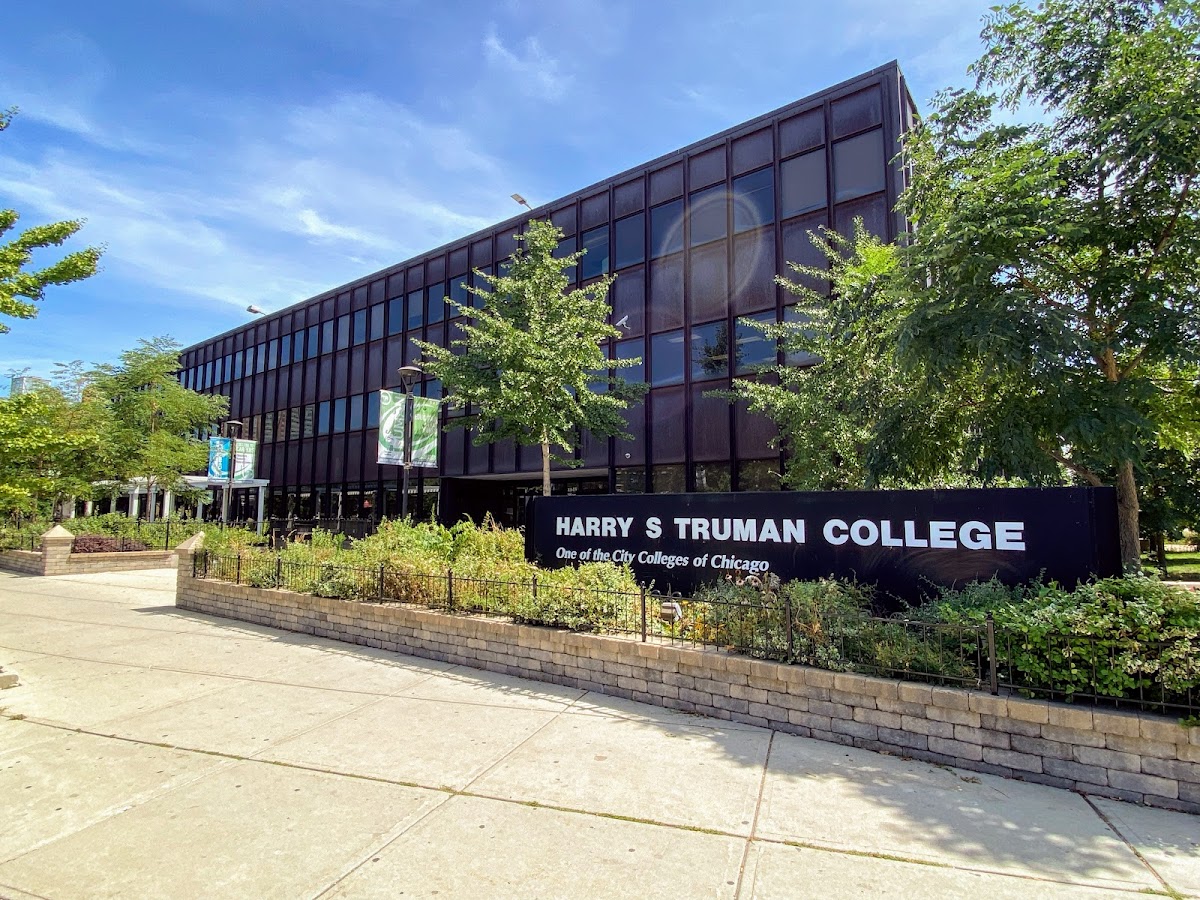
Harry S Truman College
4.4 · 337 reviews
Chicago
Wilbur Wright College
4.2 · 230 reviews
Chicago
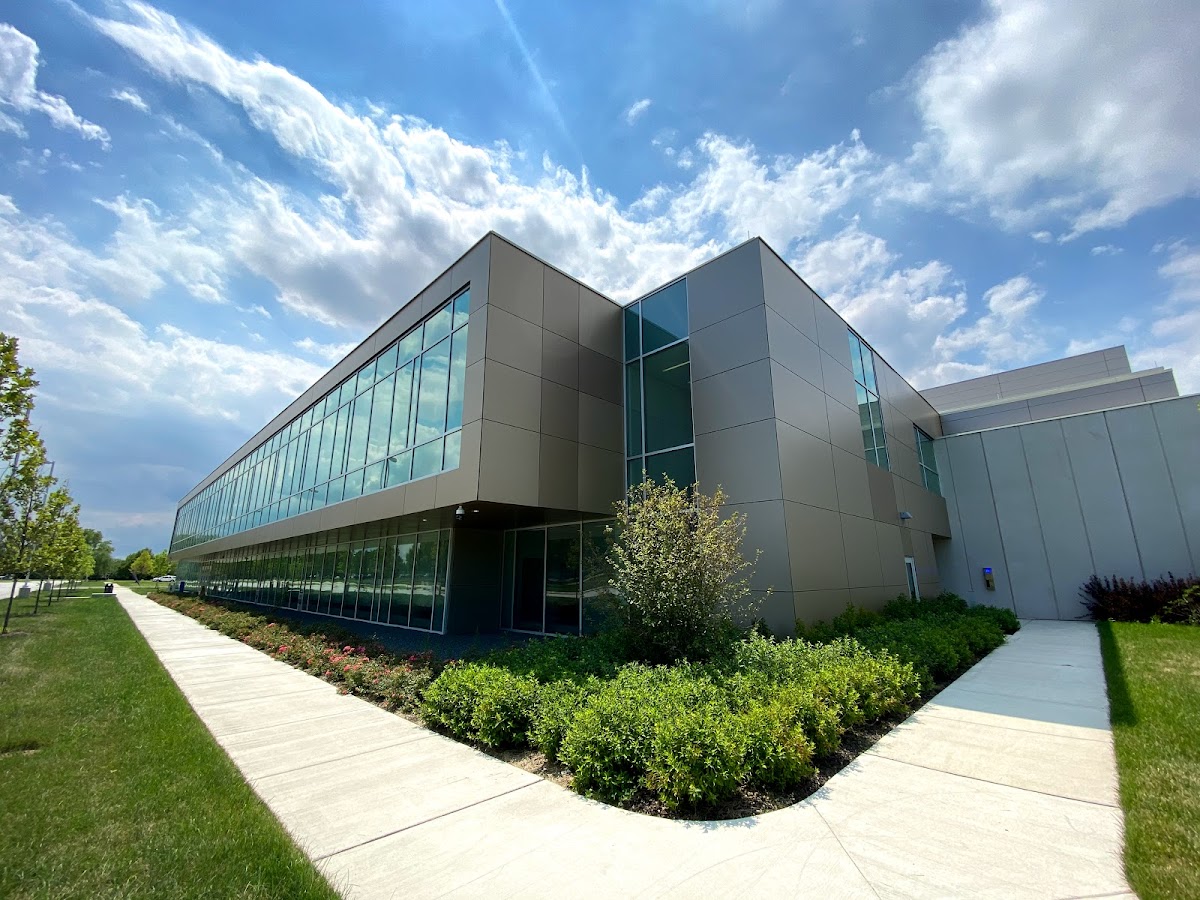
Olive-Harvey College
4.2 · 127 reviews
Chicago
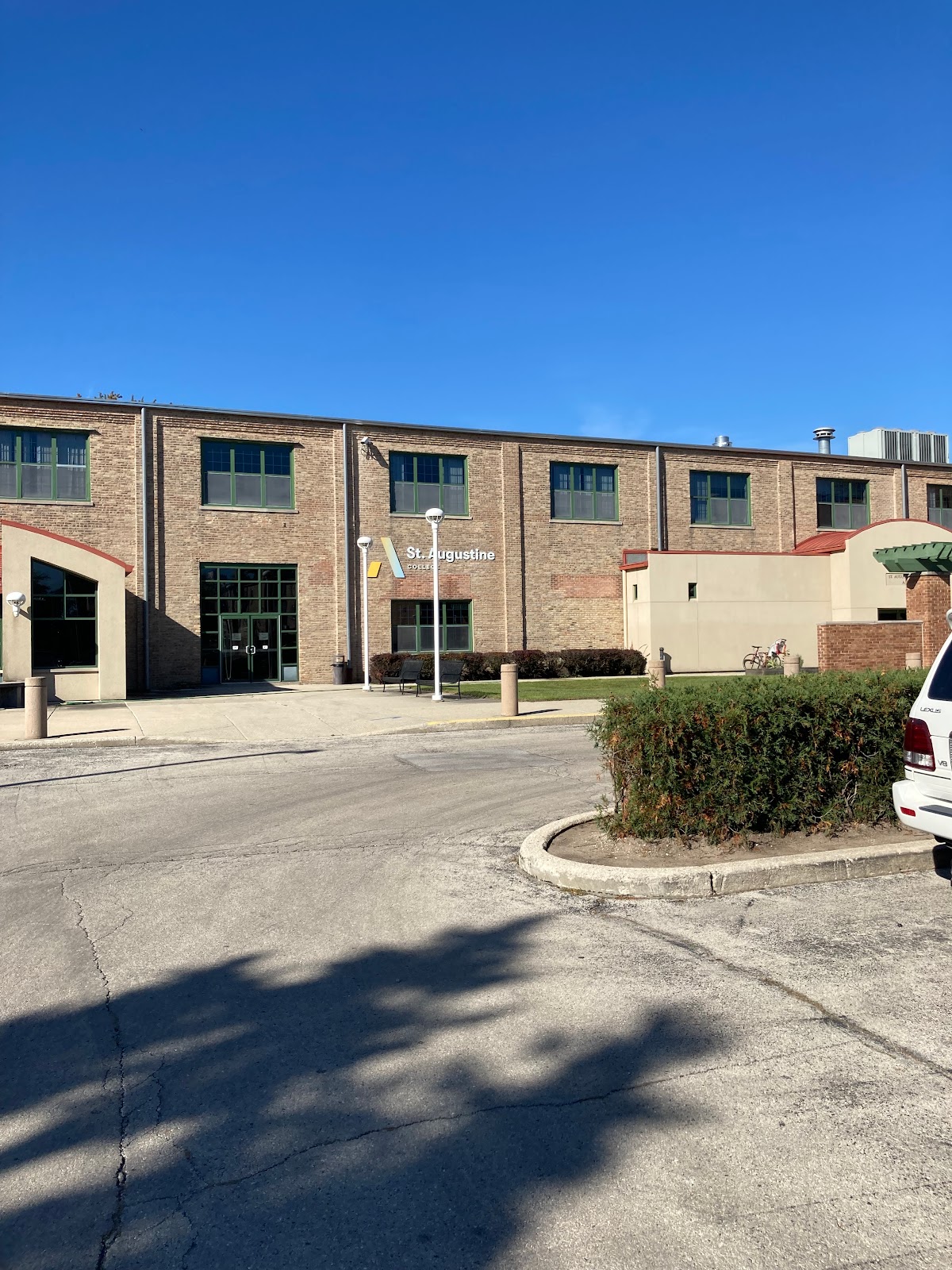
St. Augustine College
4.1 · 65 reviews
Chicago